





Scaffolding Wraps: Read Before You Buy
Scaffolding wraps turn temporary construction structures into large-scale opportunities for branding, advertising, and visual storytelling. They create a finished visual surface around areas that would otherwise remain exposed while work is underway. But what makes a scaffolding wrap different, and what should you know before choosing one? This guide covers the basics, materials, installation process, and common applications.
Why are Scaffold Banners Used on Site?
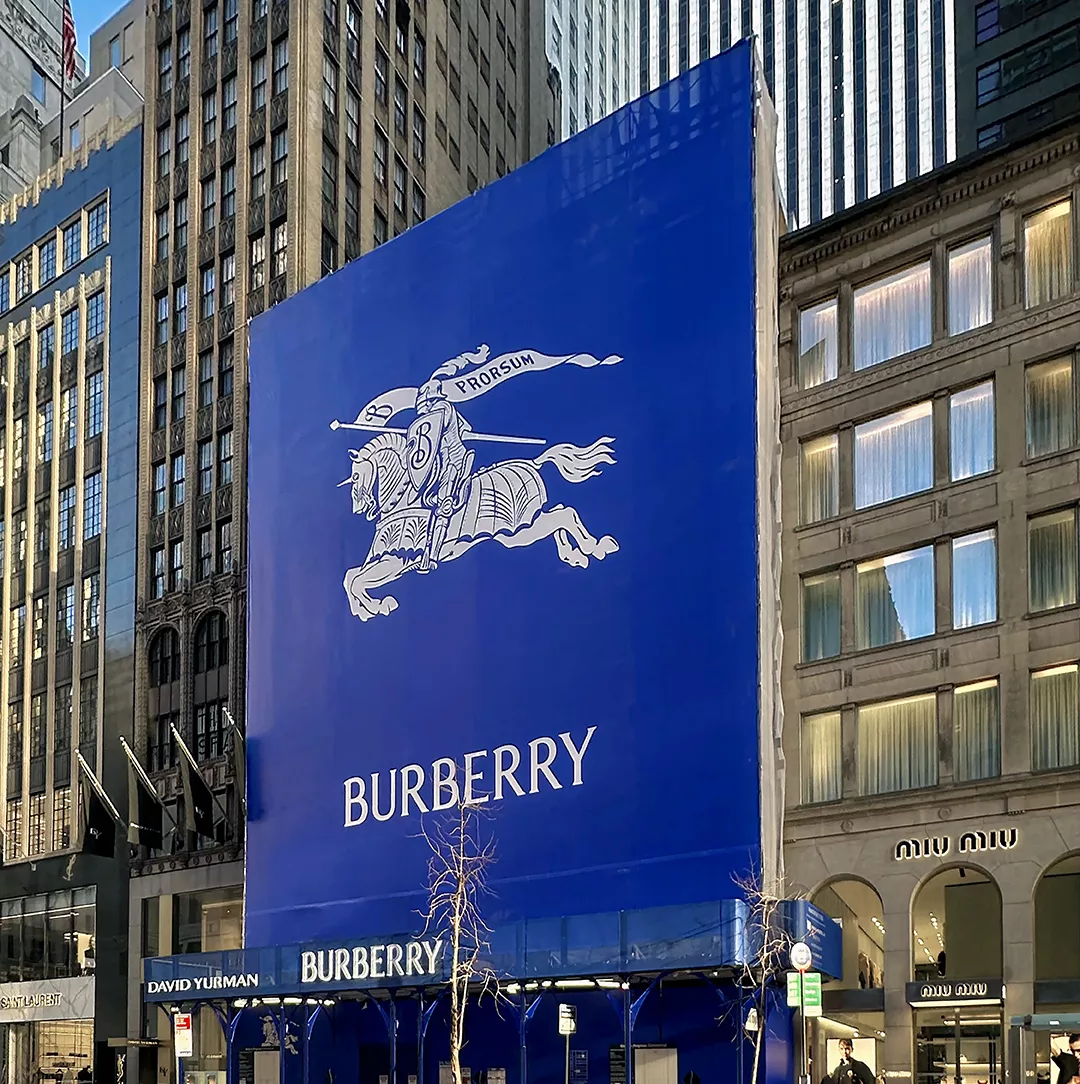
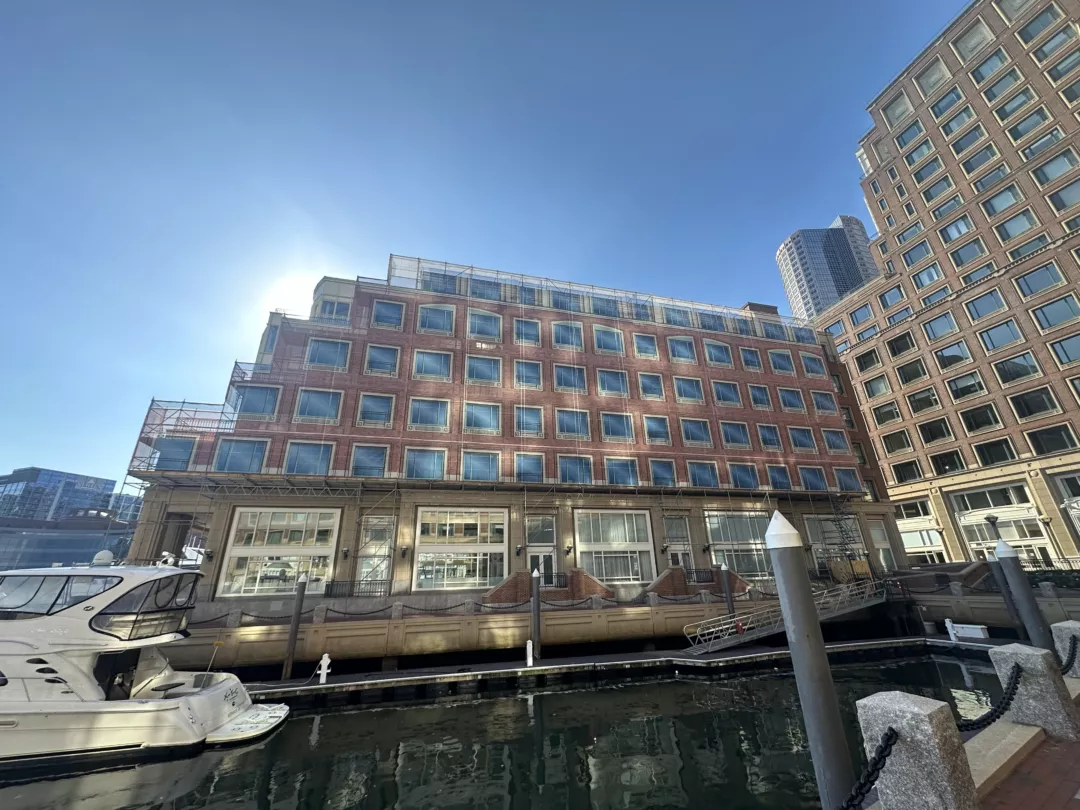
A scaffold banner or wrap can help conceal construction, promote a project or brand, and add visual interest to an otherwise unfinished exterior. Because scaffolding wraps are temporary and installed around an active construction area, they also need to work around scaffold bays, access points, and changing site conditions. This makes planning different from installing a graphic directly on a building façade.
Common applications include:
- Construction site screening and visual enhancement
- Advertising and promotional graphics
- Branding for developers, businesses, and properties
- Sneak peeks of the finished project
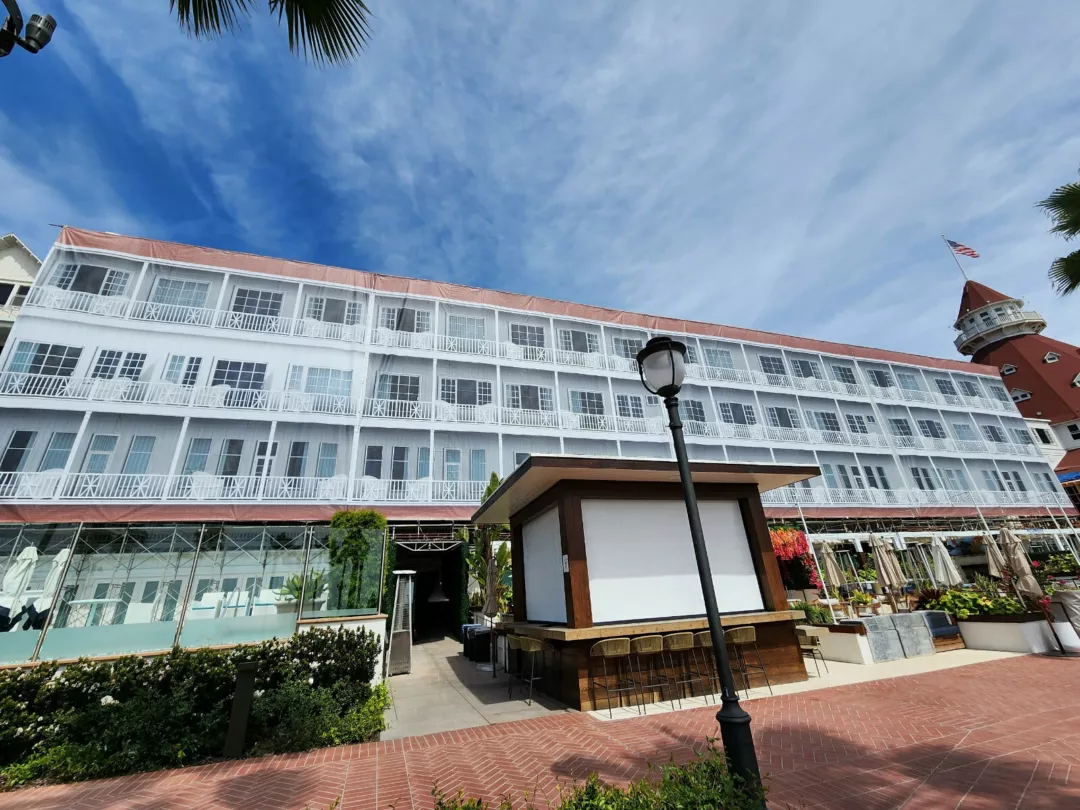
- Decorative graphics for buildings/city dressing
The Right Material for Your Project
Britten's Architectural Mesh™ is designed specifically for large-scale exterior applications with less seams. Its open mesh construction allows airflow while maintaining image clarity, making it useful for exposed scaffolding in windy conditions. Scaffolding wraps are typically made with 70% mesh material, allowing wind to easily pass through while maintaining clear visual detail from street-level viewing conditions.
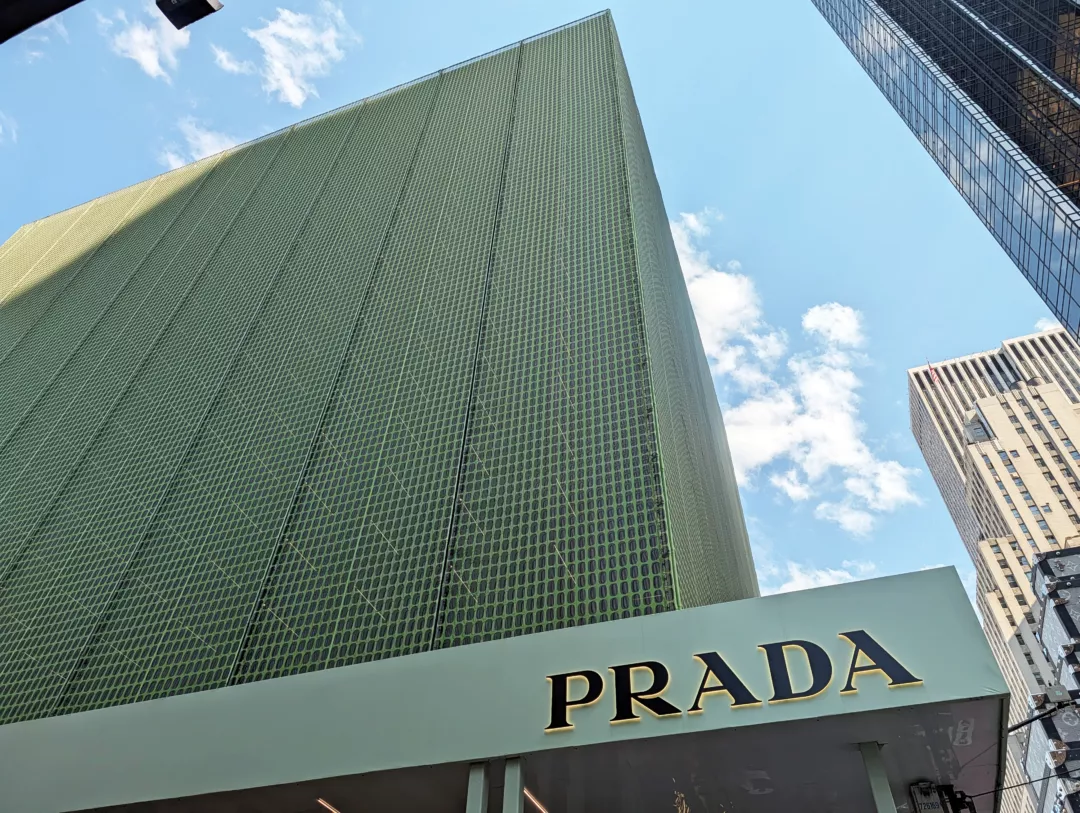
Britten has used Architectural Mesh™ scaffolding wraps on high-profile renovations, including Prada Fifth Avenue, The Plaza Hotel, and 411 Lafayette in New York City.
How Are Scaffolding Wraps Installed and Secured?
The process starts with accurate measurements and, for scaffold applications, scaffolding blueprints to determine proper fit and anchor placement. Britten conducts site surveys to help establish how the wrap should be secured before production.
Unlike a building wrap installed directly against a façade, a scaffolding wrap must be fabricated around the temporary structure supporting it. The scaffold dimensions, attachment points, wind exposure, and access requirements all influence the final design and installation.
Key steps in the scaffold wrap process:
- Request a quote: Building owners and contractors provide general sizing, specifications, and technical details. A Britten representative then discusses the project, artwork, and initial pre-quote.
- Develop and approve the design: Customers can provide their own artwork or work with Britten to develop a concept. A sample is provided for review, along with budget and design considerations.
- Survey, proof, print, and install: Britten conducts a site survey to determine how the wrap will be securely attached. For scaffolding wraps, scaffolding blueprints help ensure proper fit and anchor placement. Final proofs are produced to scale before the printing and installation teams coordinate with the contractor or building owner to complete the project.
FAQ
What is a scaffolding wrap?
A scaffolding wrap is a large-format printed mesh banner attached to exterior scaffolding, commonly used for screening, branding, and advertising during construction or renovation.
How are scaffolding wraps different from building wraps?
Scaffolding wrap attaches to temporary scaffolding surrounding a building. Building wrap can refer to graphics installed directly against a building's exterior surface or an exterior system. Because scaffold wraps are supported by a temporary structure, their design and installation must account for scaffold dimensions, anchor points, wind exposure, and site access.
Are scaffold banners weatherproof and UV resistant?
Britten Architectural Mesh™ is designed for outdoor exposure with resistance to weather, UV, fading, tearing, and flame. Scaffold wraps are designed to last through the lifespan of your construction project, against all types of weather conditions.
When should you use a scaffolding wrap?
Scaffold banners are useful during renovations and construction projects when you want to screen unfinished areas while creating a branded exterior presentation. Building wraps use different fastening hardware to attach directly to complete building façades.